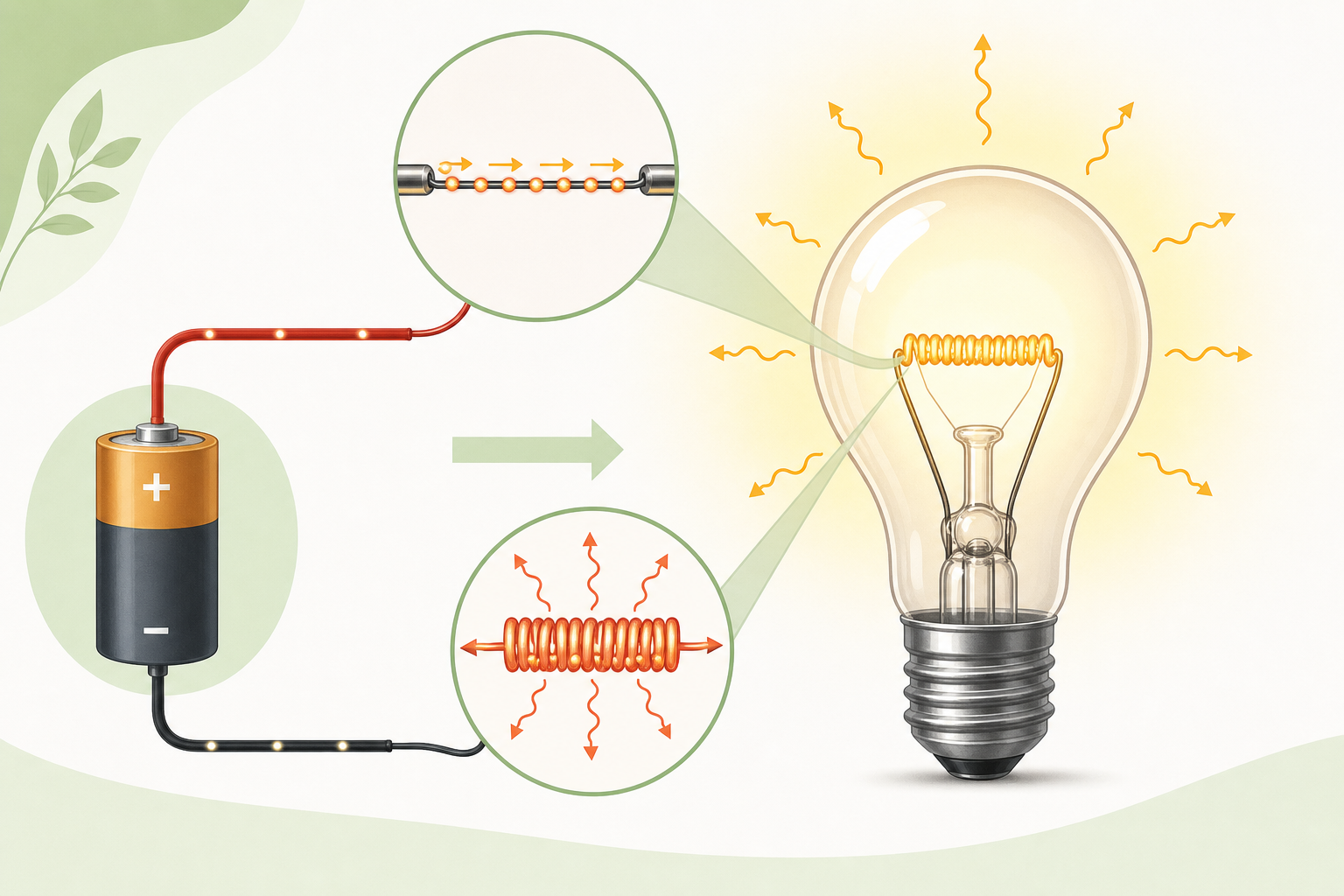
Light bulbs generate heat mainly because of electrical resistance within their components, where electrical energy is converted into thermal energy. This phenomenon might seem counterintuitive, especially since we often associate light primarily with energy use. Understanding the mechanisms behind this heat production not only informs us about household comfort and energy usage but also highlights the potential for energy-efficient lighting alternatives.
- The quick read for light bulbs heat
- Where this shows up with light bulbs heat
- Why the result changes under light bulbs heat
- A common wrong turn inside light bulbs heat
- The useful takeaway about light bulbs heat
- Compare Cause and Effect: Light Bulbs Heat
- Common Follow-Up Questions: Light Bulbs Heat
- Nearby Questions: Light Bulbs Heat
- Where the Explanation Comes From: Light Bulbs Heat
The quick read for light bulbs heat
Light bulbs become hot due to electrical resistance in the filament, which converts electrical energy into heat. This is particularly notable in incandescent bulbs, whereas modern LEDs produce significantly less heat, illustrating enhanced efficiency.

Original AI-generated educational image for Why Science Daily.
Where this shows up with light bulbs heat
Examining different types of lighting provides insight into how they impact ambient temperatures in homes. Incandescent bulbs can heat a room considerably more quickly than LED or CFL bulbs. Homeowners may notice that traditional bulbs create uncomfortably warm conditions, particularly when used in enclosed fixtures. Conversely, energy-efficient LEDs typically maintain a cooler operation, making them ideally suited for settings like recessed lighting or decorative fixtures where heat retention may be problematic.
This impact is particularly relevant in spaces such as children’s rooms, where LED lighting helps conserve energy while maintaining a comfortable atmosphere for sleep. Work environments that require consistent lighting over extended periods also benefit from switching to CFL or LED options, as they not only reduce energy expenses but also tackle overheating challenges in larger settings. Consequently, selecting the right type of lighting can have profound implications for both visibility and the overall thermal dynamics of a space. This understanding urges consumers to consider environmental factors and function when choosing lighting solutions.
Public venues like restaurants and retail shops often prefer LED lighting, not only for energy savings but also for creating a welcoming atmosphere, especially in smaller spaces. Therefore, an awareness of each bulb type's thermal behavior influences decisions that ultimately enhance both energy efficiency and user comfort.

Original AI-generated educational image for Why Science Daily.
Why the result changes under light bulbs heat
The process starts when an electric current flows through the filament of an incandescent light bulb, typically made from tungsten. This filament encounters electrical resistance, causing a transformation of electric energy into thermal energy, known as Joule heating. As the filament heats up, it reaches a high temperature, which allows it to emit visible light. This dual output of light and heat is a fundamental characteristic of incandescent bulbs, explaining why they feel hot when touched.
A significant drawback of incandescent light bulbs is their inefficiency. Roughly 90% of the energy consumed by these bulbs is expended as heat, with only around 10% converted into visible light. This inefficiency raises concerns regarding both energy consumption and safety, especially in enclosed spaces where accumulated heat can increase room temperatures to uncomfortable levels.
In contrast, energy-efficient lighting options such as compact fluorescent lamps (CFLs) and light-emitting diodes (LEDs) operate on different principles that significantly reduce heat generation. For example, LEDs can convert over 80% of energy into light, resulting in much lower heat output. This remarkable efficiency can be credited to their design and how they generate light with minimal byproducts of heat.
The heat produced by light bulbs affects their surroundings as well. The heated filament raises the temperature of nearby air, which can lead to noticeable increases in the overall temperature of a room—especially in smaller or poorly ventilated areas. Some bulb designs use materials that help dissipate this heat, thereby prolonging the lifespan of the bulb and improving comfort in living spaces. Recognizing these distinctions is crucial for making informed decisions about lighting, particularly in environments that prioritize energy efficiency.

Original AI-generated educational image for Why Science Daily.
A common wrong turn inside light bulbs heat
A common misconception is that all light bulbs emit heat in equal proportions relative to their light output, overlooking significant differences among various bulb types. Incandescent bulbs, for example, generate far more heat for each lumen of light they produce compared to both CFLs and LEDs. This inefficiency can lead to not only higher energy bills but also increased costs for cooling homes, as more air conditioning may be required.
Another prevalent belief is that heat generation is merely a byproduct of light production. While this is accurate for incandescent bulbs, LEDs function under a fundamentally different principle that minimizes heat. Understanding these distinctions is essential for consumers aiming to optimize energy consumption. By recognizing the variations in heat output, users can make more informed choices that enhance their home’s comfort and efficiency while lowering energy costs.
The useful takeaway about light bulbs heat
The heat produced by light bulbs results from the electrical resistance inherent in their components, especially in incandescent models. This understanding is vital for improving energy efficiency and ensuring safety in lighting applications.
Compare Cause and Effect: Light Bulbs Heat
| Part | Focus | What to remember |
|---|---|---|
| Main idea | light bulbs heat | The process starts when an electric current flows through the filament of an incandescent light bulb, typically made from tungsten. This fil… |
| Common mistake | Misconception | A common misconception is that all light bulbs emit heat in equal proportions relative to their light output, overlooking significant differ… |
| Everyday takeaway | Practical meaning | The heat produced by light bulbs results from the electrical resistance inherent in their components, especially in incandescent models. Thi… |
Common Follow-Up Questions: Light Bulbs Heat
Why are incandescent bulbs hotter than LED bulbs?
Incandescent bulbs are hotter because they have higher electrical resistance and lower efficiency, converting most of their energy into heat rather than light.
Can using light bulbs affect room temperature?
Yes, traditional incandescent bulbs can significantly raise room temperatures due to their high heat output, making energy-efficient LEDs a preferable choice.
Are there safety risks associated with hot light bulbs?
Yes, hot bulbs can create risks such as burns or fire hazards, particularly if they come into contact with flammable materials. Cooler bulbs like LEDs can help mitigate these risks.
How can I improve the efficiency of my lighting?
You can improve lighting efficiency by switching to LED or CFL bulbs, which reduce heat production and electricity usage. Implementing smart timers can also aid in managing energy consumption.
Do all light bulbs emit heat?
Yes, all light bulbs emit heat, but the amount varies significantly. Incandescent bulbs produce much more heat compared to CFLs and LEDs.
Where the Explanation Comes From: Light Bulbs Heat
- Home Energy: Lighting
- 8.4 Types of Lighting: Incandescent Bulbs
- Guide to Energy-Efficient Lighting
- Learn About LED Lighting
- Light Bulb Efficiency
Originality note: This is original educational content from Why Science Daily. Please use the article link when sharing or citing it. This page specifically covers light bulbs heat.
Keywords: light bulbs heat, electrical resistance, thermal energy, heat transfer, energy efficiency, light bulb types, heat generation, home lighting, energy consumption