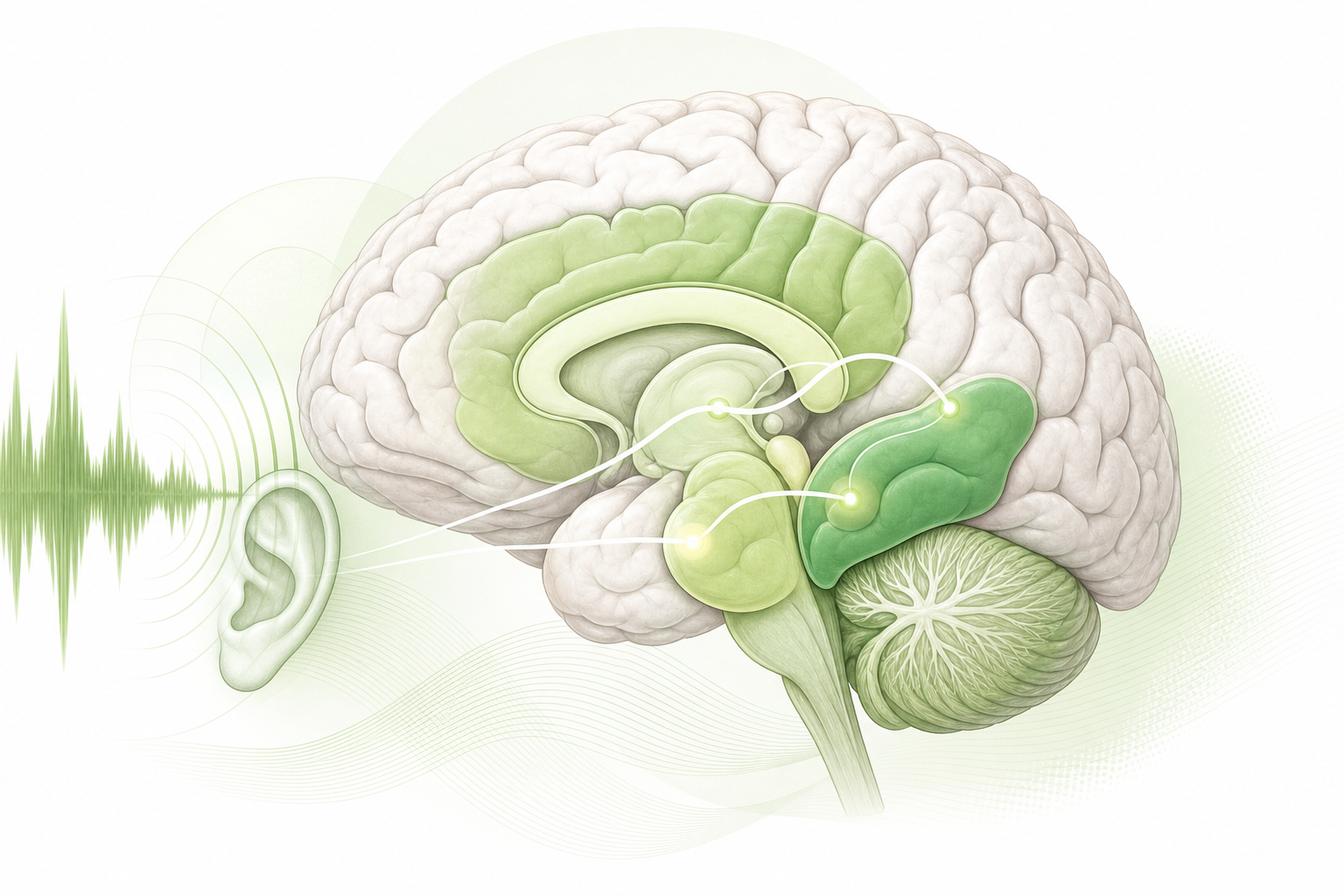
Our brains are finely tuned to respond quickly to notification sounds, thanks to inherent mechanisms of attention and auditory processing. This rapid reaction is critical in navigating our environment, signaling moments that may necessitate immediate awareness or action.
- Start here for notification sounds
- Why the result changes under notification sounds
- A place you can notice it for notification sounds
- The tempting answer to be careful with behind notification sounds
- The idea to remember for notification sounds
- A Practical Comparison: Notification Sounds
- Questions Readers Ask: Notification Sounds
- Nearby Questions: Notification Sounds
- Source-Checked Reading: Notification Sounds
Start here for notification sounds
The speed at which we respond to notification sounds is an evolutionary adaptation, as these sounds indicate potential threats or urgent information. Our brains prioritize these auditory cues automatically.

Original AI-generated educational image for Why Science Daily.
Why the result changes under notification sounds
The instinctive reaction to notification sounds can be traced to the complex workings of the brain's auditory system and its evolutionary history. When a notification, such as a smartphone alert, is perceived, specific neurons in the auditory cortex spring into action. This area of the brain plays a crucial role in interpreting sounds, processing them faster than visual stimuli due to its highly efficient neural pathways.
Research highlights that our brains can decode auditory information quicker than visual inputs. A study published by the National Institutes of Health suggests that the architecture of the brain favors auditory processing, resulting in nearly instantaneous reactions to sounds. These rapid responses are often involuntary, prompting us to act without conscious deliberation.
This responsiveness can be linked to human evolution, where the ability to react to sounds signaling danger was critical for survival. Early humans relied heavily on auditory cues to identify threats from predators or other dangers. Today, similar mechanisms are at play; notification sounds can signify critical communications or tasks that demand urgent attention, demonstrating the adaptive advantage of our brain’s wiring.
Interestingly, individual differences in response can also arise from cultural and contextual factors. For instance, many people may react more quickly to the notification sound of a widely used messaging app compared to an email alert, as the former is typically associated with more immediate communication. This individual variation emphasizes how personal significance and learned associations shape our attentional responses to different sounds, which further complicates our behavioral patterns in response to notification sounds.
Beyond mere speed, context plays a significant role in mediating our responses to auditory stimuli. The texture of the sound, including its pitch, tone, and familiarity, can heavily influence how we react. Familiar sounds trigger quicker responses, grounding the instinctive nature of our behavior in learned experiences. Understanding this can be instrumental in fostering healthier relationships with technology, where managing responses to auditory stimuli becomes crucial to maintaining focus and productivity.

Original AI-generated educational image for Why Science Daily.
A place you can notice it for notification sounds
The phenomenon of rapid reactions to notification sounds is observable in various real-life situations. Take, for instance, the celebration of New Year’s Eve. As the clock strikes midnight, the cacophony of notification sounds from messages and social media prompts immediate responses. Friends and family scramble to check their phones, eager to engage in the celebration and connect with loved ones. This scenario accentuates how significant sounds can elevate our attentiveness in a social context, highlighting the importance of auditory cues in driving immediate action.
In a professional environment, the ramifications of notification sounds are similarly evident. Notifications from collaboration tools and project management software often demand swift attention, catering to an influx of pings that can disrupt workflow. Each sound serves as a reminder, illustrating how auditory cues shape not just individual productivity but overall work dynamics.
Social settings also reflect the gravitational pull of notification sounds. Frequency of alerts from social media platforms during gatherings can impose societal pressures that compel individuals to engage with their devices, thus creating tension in maintaining face-to-face conversations. This duality of modern communication, where human interaction is punctuated by digital noise, underscores the need for greater awareness in managing attention as it pertains to notification sounds.

Original AI-generated educational image for Why Science Daily.
The tempting answer to be careful with behind notification sounds
A prevalent misconception is that all notification sounds demand our immediate attention. While they are designed to capture our focus, it’s essential to evaluate the urgency of each alert. Not every notification signifies an immediate requirement for action, and responding impulsively can result in distractions and reduce overall productivity.
Moreover, some believe that all sounds elicit the same level of attention. In reality, auditory attention is subjective and depends on various factors, including the context and personal relevance of the sound. For instance, a ringtone from a familiar source will likely provoke a quicker reaction than a notification beep from an app that is seldom used. This understanding can help refine our response to technology, enabling us to discern which notifications warrant immediate engagement and which can be deprioritized, thereby reclaiming our focus.
Recognizing that our brain is wired for quick reactions allows us to manage our attention more effectively. Awareness of our unique triggers can facilitate better control over our reactions to notification sounds, allowing us to cultivate a balanced interaction with our digital environments.
The idea to remember for notification sounds
Gaining insight into our instinctive reactions to notification sounds can empower individuals to better navigate their digital lifestyles. By recognizing these immediate responses, we can develop more intentional habits, establishing a healthier interplay with technology that promotes focus and well-being without being at the mercy of every auditory stimulus.
A Practical Comparison: Notification Sounds
| Part | Focus | What to remember |
|---|---|---|
| Main idea | notification sounds | The instinctive reaction to notification sounds can be traced to the complex workings of the brain's auditory system and its evolutionary hi… |
| Common mistake | Misconception | A prevalent misconception is that all notification sounds demand our immediate attention. While they are designed to capture our focus, it’s… |
| Everyday takeaway | Practical meaning | Gaining insight into our instinctive reactions to notification sounds can empower individuals to better navigate their digital lifestyles. B… |
Questions Readers Ask: Notification Sounds
Why do some sounds grab my attention more than others?
Auditory responses are influenced by familiarity and personal significance. Sounds that hold meaning or are frequently encountered often elicit quicker reactions.
Can constantly reacting to notification sounds lead to distractions?
Yes, consistently responding to every notification can fragment your focus and detract from productivity, increasing potential stress levels.
Are there ways to modify my reaction to notification sounds?
Yes, you can customize notification settings or designate specific times to check your messages, helping mitigate distractions.
Does everyone respond to notification sounds in the same way?
No, responses vary widely based on prior experiences, cultural contexts, and personal relevance to specific sounds.
How does the brain prioritize auditory sounds over visual stimuli?
The brain's structure enables quicker processing of auditory signals due to dedicated neural pathways, enhancing our reactions to sounds.
Source-Checked Reading: Notification Sounds
- Notification alert! Effects of auditory text alerts on attention and heart rate variability across three developmental periods
- Neural mechanisms of involuntary attention to acoustic novelty and change
- Distraction by deviant sounds is modulated by the environmental context
- Cognitive control of involuntary distraction by deviant sounds
- Neural Correlates of Attention to Human-Made Sounds: An ERP Study
Originality note: Why Science Daily publishes these explanations as original educational articles. Credit the original page for reuse. This page specifically covers notification sounds.
Keywords: notification sounds, attention, stimuli, behavioral response, auditory processing, cognitive psychology, neuroscience