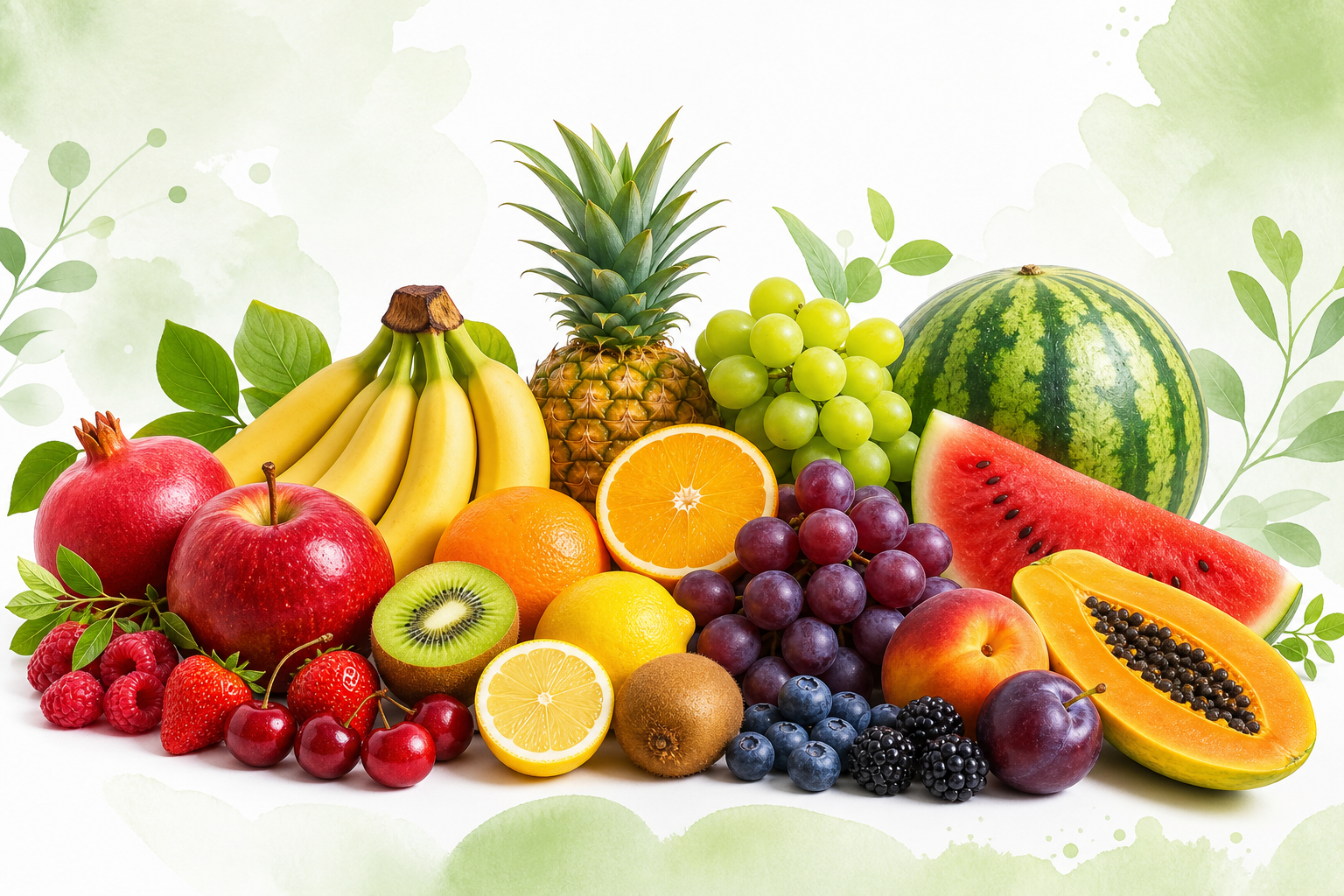
Fruits have various colors due to the presence of multiple pigments that serve essential roles beyond mere aesthetics. These pigments, such as anthocyanins, carotenoids, and chlorophylls, attract wildlife for pollination and seed dispersal, and correlate with the fruit's nutritional value. Understanding these pigments enhances our appreciation of how color signifies ripeness and potential health benefits.
- The quick read behind fruit colors
- The physics behind the effect inside fruit colors
- The part people often get wrong behind fruit colors
- How to recognize it in daily life around fruit colors
- The reader-friendly summary about fruit colors
- Compare the Ideas: Fruit Colors
- Helpful Follow-Ups: Fruit Colors
- More Curious Explanations: Fruit Colors
- Source-Checked Reading: Fruit Colors
The quick read behind fruit colors
Fruits exhibit different colors mainly due to pigments like anthocyanins, carotenoids, and chlorophyll. These pigments help in attracting creatures for pollination and indicate ripeness while also providing health benefits. For example, red apples, rich in anthocyanins, often signify higher antioxidant levels.

Original AI-generated educational image for Why Science Daily.
The physics behind the effect inside fruit colors
The pigmentation of fruits arises from several chemical compounds, each serving unique functions. **Anthocyanins** provide red, blue, and purple hues in berries, grapes, and apples. These compounds not only make fruits visually appealing but also play a vital role in attracting pollinators and signaling ripeness, which encourages animals to consume them and aid in seed dispersal. Studies reveal that anthocyanins have beneficial properties, acting as antioxidants potentially reducing risks of various health issues (source: https://pubmed.ncbi.nlm.nih.gov/41824081/).
**Carotenoids**, responsible for yellow and orange colors seen in fruits like mangoes and papayas, include beta-carotene, which is crucial for vitamin A synthesis vital for eyesight and immune health. Carotenoids are known for health benefits, such as promoting eye health and lowering the risk of chronic conditions (source: https://pmc.ncbi.nlm.nih.gov/articles/PMC8125642/).
Chlorophyll, the pigment giving fruits their green color, decreases as fruits ripen, paving the way for more vibrant colors to appear. This transition not only signifies ripeness but also attracts organisms that help with seed dispersal. The breakdown of chlorophyll is a clear indicator that the fruit can now provide nourishment (source: https://research.monash.edu/en/publications/fruit-pigment-changes-during-ripening/).
Furthermore, environmental conditions such as light, temperature, and soil nutrition can influence pigment concentration. Optimal conditions lead to peaks in pigment production, yielding fruits that are not only more appealing visually but also richer in nutrients. Accordingly, studying fruit colors reveals many complexities interwoven between plant physiology, environmental interactions, and evolutionary traits that enhance both plant survival and consumer health benefits.
The relationship between pigmentation and flavor is also significant. As fruits ripen and change colors, usually there’s an increase in sugar content, leading to enhanced flavors. This suggests that fruits with vibrant colors not only indicate visual presence but often signal a more nutritionally dense option for consumption.

Original AI-generated educational image for Why Science Daily.
The part people often get wrong behind fruit colors
One widespread misconception is that fruit colors represent ripeness. While color is a strong indicator, different varieties of the same fruit may showcase similar hues yet vary in nutritional content. For instance, bananas are typically yellow when ripe; however, the red banana variant, though similar in appearance, offers higher amounts of specific nutrients like potassium and vitamin C. Thus, relying solely on color might misrepresent a fruit's overall health benefits.
Another common misunderstanding is assuming that all pigments confer the same health benefits. While anthocyanins are linked with heart health and carotenoids support vision, the specific effects can vary across fruit types. This inconsistency highlights the importance of consuming a colorful variety of fruits to capture the full benefits from the distinct phytonutrients present in each (source: https://www.health.harvard.edu/blog/phytonutrients-paint-your-plate-with-the-colors-of-the-rainbow-2019042516501).
Furthermore, some believe all vividly colored fruits are inherently healthy. Although many colorful fruits are nutrient-dense, some may also have high sugar or fat content, counteracting potential health advantages. Thus, it's essential to consider the fruit’s overall nutritional profile when evaluating health benefits based solely on color.

Original AI-generated educational image for Why Science Daily.
How to recognize it in daily life around fruit colors
Take apples as a prime example where color indicates health benefits. Red varieties, such as the Red Delicious, are often perceived as healthier due to their higher antioxidants from anthocyanins compared to green varieties like the Granny Smith. Research indicates that the antioxidant levels in red apples may help lower heart disease risk. In contrast, bananas, while generally yellow when ripe, showcase nutritional variations among cultivars. The often-overlooked red banana contains more vitamin C and potassium than its yellow counterpart, highlighting notable nutritional advantages.
When you visit a local farmers' market, the spectrum of colors in season gives a visual cue of peak ripeness and nutrient density. Colorful fruits like strawberries and cherries signal not only optimal taste but nutrient richness. Choosing an assortment of colorful fruits can transform everyday meals into enjoyable eating experiences while maximizing nutrient intake. For example, blending various fruits in smoothies not only enhances flavor but also combines phytonutrients, promoting well-being.
Moreover, presenting a variety of colorful fruits at social gatherings can encourage healthier choices among guests while elevating the aesthetic appeal of the spread. A platter featuring deep purple grapes alongside bright orange cantaloupes not only attracts attention but fosters an appreciation for nutritional diversity, encouraging an overall healthier diet.
The reader-friendly summary about fruit colors
The different colors of fruits arise from various pigments indicating ripeness and offering health benefits. Recognizing these pigments and their related nutrients can help individuals make informed dietary choices that enhance overall health and enjoyment.
Compare the Ideas: Fruit Colors
| Part | Focus | What to remember |
|---|---|---|
| Main idea | fruit colors | The pigmentation of fruits arises from several chemical compounds, each serving unique functions. **Anthocyanins** provide red, blue, and pu… |
| Common mistake | Misconception | One widespread misconception is that fruit colors represent ripeness. While color is a strong indicator, different varieties of the same fru… |
| Everyday takeaway | Practical meaning | The different colors of fruits arise from various pigments indicating ripeness and offering health benefits. Recognizing these pigments and… |
Helpful Follow-Ups: Fruit Colors
What causes the different colors in fruits?
Different pigments such as anthocyanins, carotenoids, and chlorophyll create the various colors in fruits. Each pigment contributes uniquely to the fruit's appearance and health benefits.
Are colorful fruits healthier than others?
Generally, colorful fruits are abundant in specific phytonutrients. Red fruits often provide antioxidants, whereas yellow and orange fruits are rich in essential vitamins.
Does fruit color indicate ripeness?
Yes, color changes usually signify ripeness. However, different varieties can share similar hues, so it's worth considering other indicators like firmness and aroma for assessment.
What are phytonutrients?
Phytonutrients are natural compounds found in plants, offering numerous health benefits including antioxidant and anti-inflammatory properties. They often give vibrant colors to fruits.
Can I eat unripe fruits?
While some unripe fruits are safe to eat, their nutritional profiles may vary. It's best to be cautious as unripe varieties may lead to digestive discomfort or be unpalatable.
How do environmental factors affect fruit pigmentation?
Environmental conditions like light, temperature, and soil quality can significantly influence the concentration of pigments, affecting both the color and nutrient richness of fruits.
Source-Checked Reading: Fruit Colors
- Molecular orchestration and health implications of fruit pigmentation: from metabolic pathways to nutritional quality
- Antioxidant Activity and Healthy Benefits of Natural Pigments in Fruits: A Review
- Fruit pigment changes during ripening
- Phytonutrients: Paint your plate with the colors of the rainbow
Originality note: This page is part of Why Science Daily's original science library. Cite the original URL for context. This page specifically covers fruit colors.
Keywords: fruit colors, pigmentation, nutritional values, botany, health benefits, ripening, phytonutrients, antioxidants