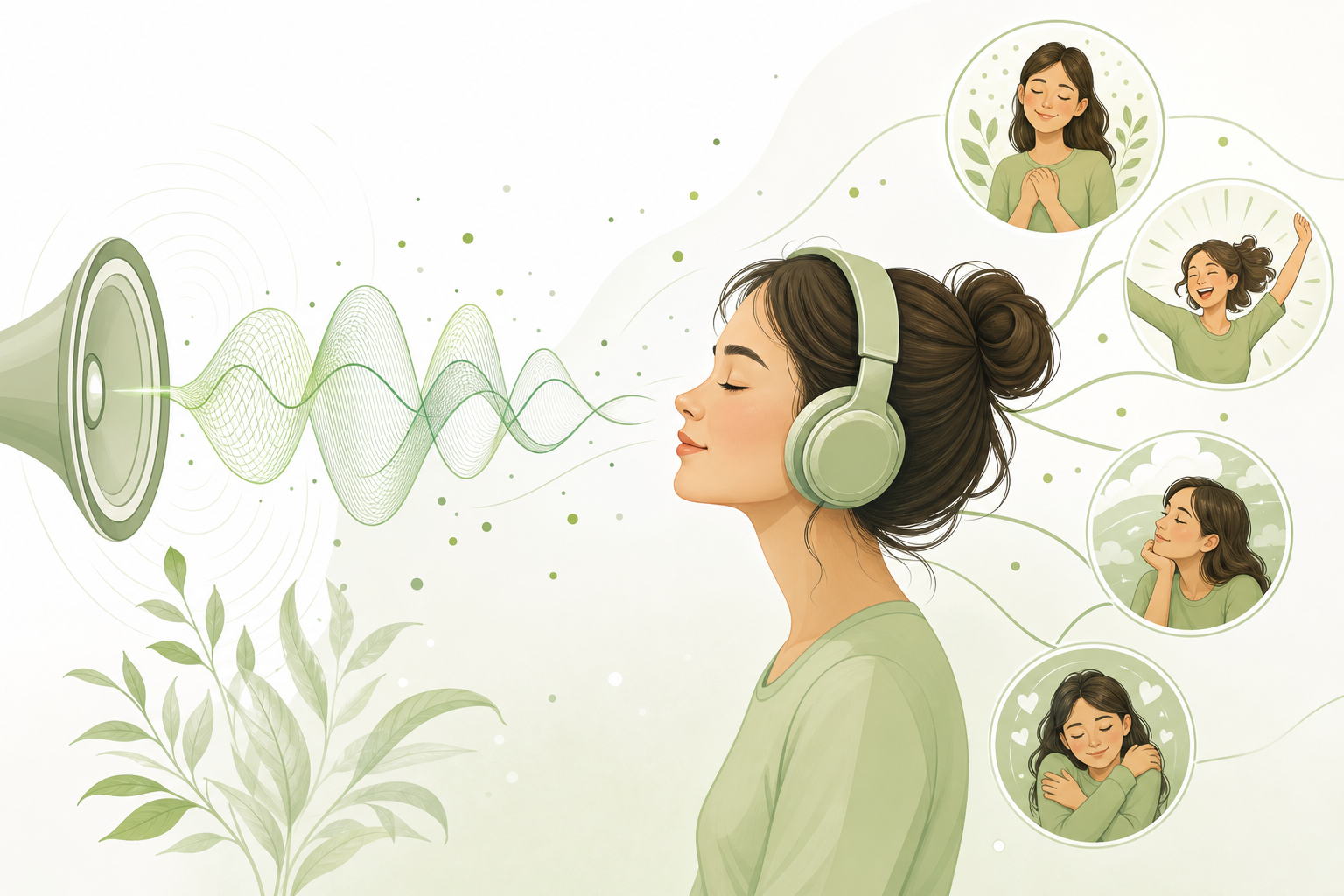
Certain sounds and pieces of music have a strong ability to attract us emotionally and influence our behavior. This attraction arises from complex psychological effects linked to sound, deeply embedded in our feelings and social interactions. By understanding these mechanisms, we can better appreciate why we are drawn to specific melodies or soundscapes.
The Short Answer
Sound attraction is largely shaped by our psychological and physiological reactions. Our brains process sounds, activating emotion-related regions and evoking memories that guide our preferences and social behaviors. This close relationship between sound and emotion makes it a significant influence in our daily experiences.

Original AI-generated educational image for Why Science Daily.
The Science Behind It
The appeal of specific sounds or music relates to their significant psychological and physiological effects on humans. When we hear a sound, whether it’s a catchy tune or the soothing rustle of leaves, our brain engages in a complex processing mechanism. Neurotransmitters like dopamine are triggered, creating feelings of pleasure and excitement. Particularly in music, these responses can be enhanced by emotional memories and associations. For instance, hearing a song from our childhood may evoke nostalgia, influencing how we feel in that moment.
Research indicates that certain frequencies and rhythms can dramatically affect our emotions. Fast tempos are often associated with happiness and excitement, while slower, softer sounds may induce calm or melancholy. The limbic system, the part of our brain responsible for emotional processing, plays a crucial role in how we experience these sound frequencies. It’s common to notice that energetic songs can energize you, whereas serene music can help you destress after a hectic day.
In social contexts, sounds can foster a sense of belonging. Activities like dancing or singing together create synchronized experiences that enhance group bonding. The shared emotional responses elicited by sound reinforce connections between individuals, making music a powerful social glue. These interactions highlight how collective auditory experiences can lead to more intimate relationships and heightened emotional engagement.
Additionally, our everyday encounters show how we gravitate toward sounds based on our emotional states. When someone feels stressed, they might choose calm melodies to relax or rely on upbeat tunes to uplift their spirits during workouts. These choices reflect the profound influence of sound on our psychological states and decision-making processes.
From a historical perspective, sound attraction may also tie to evolutionary psychology. Some theories propose our ancestors responded positively to certain natural sounds, associating them with safety and comfort. Sounds such as flowing water or birdsong might signify tranquility, creating universal appeals. This connection helps explain why we often find natural sounds so soothing, a preference that spans varied cultures.

Original AI-generated educational image for Why Science Daily.
The Common Misconception
A common misconception is the assumption that all sounds provoke identical emotional responses across diverse cultures. In fact, our reactions to sounds are highly subjective and influenced by personal experiences, cultural contexts, and individual traits. For example, while one person might find a specific genre uplifting and energizing, another may perceive it as annoying or undesirable. Variables such as personal history with particular sounds or the circumstances under which they are heard can greatly affect emotional responses.
Another prevalent misconception is that louder sounds invariably generate stronger emotional impacts. Rather, the right quality and type of sound are often more pivotal than sheer volume. Research shows that softer and more harmonious sounds can create calming effects and are frequently more appealing than loud, disruptive noises. While high-energy music can be motivating in appropriate contexts, many people find peaceful soundscapes more suited to reflect their needs during quieter moments. A nuanced understanding of the interplay between sounds and emotions can help clarify why particular sounds resonate uniquely with different individuals.

Original AI-generated educational image for Why Science Daily.
A Real-World Example
In daily life, the impact of sound attraction on our choices and behaviors is readily observable. For instance, restaurants often curate specific background music to enhance atmosphere and dining experiences. Lively, fast-paced tunes can encourage patrons to eat faster and potentially spend more time, while gentle, tranquil melodies may inspire diners to linger and savor their meals. This manipulation illustrates how sound influences perception and behavior in commercial settings.
Marketing professionals also exploit sound to evoke emotions that sway consumer behavior. Ads frequently feature familiar or nostalgic melodies to foster feelings of trust and familiarity with a product. Catchy jingles are a staple in advertising because they stay in consumers’ minds, showing the profound connection between sound, memory, and impulse buying.
Consider also how natural sounds play a role in personal wellness routines. Many people use recordings of nature sounds, like raindrops or ocean waves, for relaxation or meditation purposes. This preference for natural sounds stems from our evolutionary history, where such auditory cues indicated safety and serenity. This explains why we find particular sounds comforting even today. These examples underscore the deep ties between sound and emotional experience, illustrating its far-reaching effects on our choices and interactions.
Final Takeaway
Understanding sound attraction reveals its profound impact on our emotions and behaviors. By recognizing how sounds influence our psychological states, we can make more informed choices about our auditory environments and social interactions, ultimately enhancing our well-being.
Quick Comparison
| Part | Focus | What to remember |
|---|---|---|
| Main idea | sound attraction | The appeal of specific sounds or music relates to their significant psychological and physiological effects on humans. When we hear a sound,… |
| Common mistake | Misconception | A common misconception is the assumption that all sounds provoke identical emotional responses across diverse cultures. In fact, our reactio… |
| Everyday takeaway | Practical meaning | Understanding sound attraction reveals its profound impact on our emotions and behaviors. By recognizing how sounds influence our psychologi… |
FAQ
Why do specific sounds evoke certain emotions?
Certain sounds and frequencies trigger different areas of the brain associated with emotion and memory, creating varied emotional responses.
How do cultural backgrounds influence sound preferences?
Cultural contexts shape our experiences and interpretations of sound, leading to different emotional responses across diverse backgrounds.
Can sound affect our behavior in social situations?
Yes, shared musical experiences can enhance social bonds, influencing group dynamics and individual interactions.
What is the role of dopamine in sound attraction?
Dopamine, released during pleasurable auditory experiences, elevates positive feelings and encourages us to seek out those sounds again.
Are there sounds that universally attract people?
While some sounds have broad appeal, preferences vary widely due to personal experiences and cultural backgrounds.
Sources and Further Reading
- How music-induced emotions affect sexual attraction: evolutionary implications
- Physiological and Psychological Effects of Forest and Urban Sounds Using High-Resolution Sound Sources
- Psychological and physiological effects of soundscapes: A systematic review of 25 experiments in the English and Chinese literature
Originality notice: This article is published by Why Science Daily. Please cite and link to the original page when referencing this content.
Keywords: sound attraction, psychological effects, music and emotions, behavior, social connection, auditory perception, emotional response, neuroscience of sound, cultural sound differences